Picture a workplace where managing deadlines feels as simple as checking your calendar before a meeting. That’s the impact of digital workplace tools for many professionals.
These tools shape the way tasks get completed, streamline communication, and reduce scattered workflows. Every team member reaps measurable benefits as digital workplace tools bridge gaps and make processes transparent.
Keep reading to discover how using digital workplace tools can change your daily work routine and foster an environment where productivity thrives and stress takes a back seat.
Digital Organization Becomes Seamless With the Right Tools
Embracing digital workplace tools makes organizing schedules and tracking progress much simpler for every team. You’ll see real productivity gains by following easy, step-by-step routines.
Transitions become smoother as team members rely on structured apps to manage task assignments and share deadlines, reducing manual errors and saving precious hours each week.
Establishing Task Clarity Using Assignment Apps
Assigning work without digital workplace tools usually means sticky notes, emails, and lost updates. Modern task managers collect everything in one space, making priorities visible to everyone.
When a new project starts, team leads can set deadlines and assign roles directly in the app. Clicking checkboxes marks progress, keeping things moving and reducing misunderstandings.
Late-night follow-up emails become unnecessary. Colleagues receive automated updates and reminders, ensuring tasks don’t slip through cracks and meetings stay focused on results.
Reducing Paperwork With Digital Storage Solutions
Paper documents fill drawers and create confusion during audits or handovers. Using digital workplace tools for document management saves space and future headaches for the team.
Your files become instantly searchable with just a keyword. Archiving is as easy as moving a folder, and version control keeps everyone working from the latest information automatically.
If a colleague needs a contract or guideline, they just open the platform, search by project name, and access what they need—whether they work onsite or remotely from home.
| Tool Category | Key Benefit | User Scenario | Takeaway |
|---|---|---|---|
| Task Management | Centralizes assignments | “I see my to-do list instantly” | Set daily priorities |
| Calendar Integration | Aligns schedules | “No overlapping meetings” | Sync all events |
| Document Storage | Prevents data loss | “I found last year’s report in seconds” | Backup files online |
| Time Tracking | Tracks project hours | “Hours logged as I work” | Review weekly progress |
| Collaboration | Boosts teamwork | “Everyone edits the same file” | Share and co-author |
Building Efficient Communication Channels Between Teams
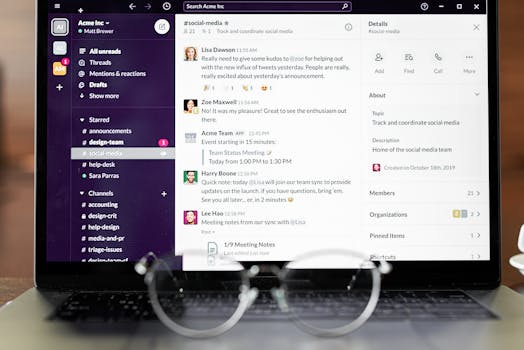
Streamlined communication forms the backbone of successful organizations. Digital workplace tools control how quickly colleagues can resolve roadblocks or brainstorm without unnecessary meetings.
Structured chat platforms save time, especially when everyone uses clear channels for projects, routine check-ins, or urgent requests that need a fast response.
Establishing Ground Rules for Messaging Apps
Start by naming each chat channel with its project or department to reduce confusion. This way, “Marketing Updates” stays separate from “Tech Support” or “Design Feedback.”
Encourage short, focused posts for quick questions, but create a shared doc for brainstorming so folks don’t have to scroll through long message threads to find critical info.
- Label chat channels with clear project names; this ensures each team member can quickly identify where to send updates about their tasks and milestones.
- Pin important announcements in each group chat; newcomers and old hands alike see vital changes right away without repeating information in multiple messages.
- Schedule regular ten-minute Q&A sessions; these reduce misunderstandings and let colleagues voice concerns before miscommunication becomes a problem for ongoing work.
- Assign informal moderators in crowded chats; these ensure all voices get heard and conversations stay on-topic, avoiding confusion or missed suggestions.
- Share screen recordings for technical walkthroughs; coworkers follow visual instructions with less back-and-forth, leading to fewer errors and faster system adoption.
Firmer communication guidelines within digital workplace tools foster quick decisions and bring more transparency to project discussions, department updates, or brainstorming for new initiatives.
Clarifying Meeting Agendas with Calendar Tools
When invites include clear topics and time blocks, digital workplace tools help prevent off-topic discussions and keep meetings brief and actionable.
Leaders should require all meeting requests to include three bullet agenda points. This practice creates structure that respects everyone’s schedules and gets results faster.
- List agenda topics on every meeting invite; this keeps participants prepared and ensures all questions and concerns can be addressed in one efficient session.
- Limit meeting durations to 30 minutes whenever possible; focused time blocks force participants to organize thoughts and stick to solutions, not endless debate or status updates.
- Rotate note-takers each meeting; everyone gets invested in decisions, and it creates natural accountability for following up on tasks and next steps later that week.
- Send post-meeting summaries with action items; this guarantees work continues after the meeting, making follow-through much easier for everyone.
- Encourage input before the session by sharing the agenda early; participants contribute relevant insights ahead of time and meetings start on solid footing.
Every calendar invite becomes a tool for alignment, and digital workplace tools enforce consistent habits so valuable time gets preserved.
Simplifying Day-to-Day Project Management Techniques
Task managers integrated with digital workplace tools ensure teammates share updates, not surprises. Using platforms that centralize tasks keeps project stages visible and steps achievable.
Drowning in email chains or status updates leads to confusion. Digital workplace tools group communications and deliver clarity, especially as project needs shift mid-week.
Choosing Action-Focused Project Boards
Boards visually map each step. Imagine cards moving left to right as work progresses from “To Do” to “In Progress” to “Done.”
Teams can glance at a digital board and say, “I know which tasks are waiting for a review, and nothing’s slipped past me.” This habit maintains steady progress.
Add a label when a task needs special input, and everyone saves time by focusing only where their expertise is needed, instead of re-reading every item on a bulky list.
Applying Realistic Workload Balancing
Teams rely on digital workplace tools to spot overload early. Visual boards reveal when someone has too many tasks—no need to guess or ask.
Use color coding for immediate feedback. If a column is packed with work, teammates can say, “That looks heavy, so I’ll pitch in after I wrap this part.”
Redistributing tasks no longer causes confusion, and leaders can reassign work as deadlines shift, preventing last-minute crunches and missed deliveries.
Keeping Teams Motivated With Real-Time Feedback Tools
Immediate feedback using digital workplace tools boosts morale and growth by giving team members clear direction and recognition. Engaged employees recognize their contributions faster.
Real-time recognition, actionable goals, and constructive guidance drive team energy and professional development as soon as a milestone gets reached or an obstacle appears.
Designing a Culture of Open Recognition
Praise becomes specific, like “Nice job organizing the dashboard for our recent launch—it saved us hours.” Digital workplace tools turn every achievement into a shared win visible to all.
Small wins tallied on leaderboards or through public messages keep momentum strong. Teams perform better when successes, even minor ones, receive public recognition promptly.
If someone helps a colleague outside their department, instant comments in the platform give credit and encourage future cross-team connection, strengthening the whole workplace culture.
Giving Constructive Advice Without Delays
Delayed feedback makes correcting issues harder. Digital workplace tools foster instant gentle guidance—like tagging someone’s contribution and suggesting another approach for clarity or efficiency.
A leader noticing a pattern can prompt teams to “try sorting files a different way for smoother handover.” The suggestion lands right in the chat, and adjustments happen in real time.
No employee has to wait for annual reviews to learn and improve. Progress becomes continuous, relevant, and genuinely supportive for every team member.
Customizing Progress Tracking to Suit Every Employee’s Role
Effective use of digital workplace tools allows employees to tailor dashboards and project timelines to specific departmental objectives and personal success metrics.
Personal customization encourages agency; workers pick widgets and charts displaying what matters—be it completed calls, resolved support tickets, or scheduled client demos.
Building Personal Dashboards for Different Roles
Sales staff may track closed deals, customer care teams might monitor response time, and engineers log resolved bugs, all using the same core digital workplace tools but with adapted views.
Allowing employees to curate their own progress indicators makes work feel relevant and their impact measurable each day. No one wastes energy on stats that don’t matter to them.
Weekly check-ins become more meaningful: “My dashboard shows my strongest week for tickets closed—let’s review how I did it.” Real numbers drive real conversations and smarter growth.
Highlighting Milestones for Every Project
Digital workplace tools spotlight when targets are met with visual badges, milestone popups, or reminders to pause and celebrate. Recognition remains immediate and frequent.
Teams working remotely don’t miss out. Digital workplace tools send achievement badges in real time, providing encouragement regardless of where each employee logs in from.
Managers use these moments to check in, capturing lessons that fueled success or areas needing additional support, all while group morale stays high throughout the year.
Streamlining Daily Routines Through Simple Automation Features
Automation within digital workplace tools cuts manual tasks, giving teams more time for creative and client-focused work by triggering routine actions on a schedule.
Automated reminders replace sticky notes or memory lapses. Workflows guide each process, such as saving drafts to folders or alerting teams when documents are ready for review.
Scheduling Tasks That Repeat Each Week
If monthly reports or weekly newsletters need regular action, digital workplace tools auto-generate to-do items and deadlines. This habit helps teams avoid missed deliverables.
Employees simply approve, edit, or delegate new occurrences. Reliability goes up, and staff can focus attention on solving complex problems, not rewriting repetitive calendar entries.
Scripts trigger handoff emails or document routing, allowing multitasking without distracting context switches. Everyone knows who acts next and when, reducing confusion across teams.
Triggering Alerts for Approvals and Reviews
Digital workplace tools push auto notifications when documents need edits or approvals. Instead of endless reminder emails, recipients act on precise in-app prompts.
This structure ensures forms, contracts, or draft proposals receive timely attention, cutting days off project timelines. No one has to guess whose turn is next or chase signatures.
Colleagues see an alert, complete their piece, and the workflow rolls forward. Teamwork becomes efficient, eliminating delays and promoting accountable follow-up work.
Adapting Workflows for Flexibility and Growth
Workplace evolution relies on systems that quickly adjust. Digital workplace tools let teams refine, combine, or split workflows as goals shift or markets change.
Adaptability shines when companies roll out new products or adjust to remote and hybrid schedules. Process templates enable leaders to launch or refine routines faster.
Responding to Industry Changes With Workflow Templates
If a new regulation demands extra recording, teams duplicate a compliance workflow and fill in the gaps using trusted digital workplace tools, immediately meeting fresh standards.
A project lead needing faster delivery can edit checklists or approval steps directly. No need for weeks of planning—everyone pivots on current platforms and maintains standards.
This strategy keeps businesses resilient and positions teams to win new opportunities, without missing a beat or dropping critical handover documentation.
Blending Old and New Routine Structures
Some companies need to retain traditional methods. With digital workplace tools, leaders can blend paper checklists for in-person events with digital tracking for online approvals and metrics.
If a supervisor prefers a physical planning board for team huddles, those actions carry over digitally, so distributed employees and office teams remain aligned on outcomes together.
This hybrid approach retains what works while layering on tech’s strengths. Everyone stays on the same path, regardless of location or process stage.
Recurring Benefits of Digital Work Tools for Every Organization
Digital workplace tools deliver accountability, visibility, and efficiency throughout the workday by connecting colleagues, automating routines, and centralizing information in accessible ways.
Teams collaborate, track milestones, and provide feedback without endless meetings or paperwork, consistently improving their performance while building stronger professional relationships across all levels.
Adopting digital workplace tools pays sustained dividends: leaders adapt faster to change, employees manage work with more confidence, and every achievement becomes traceable and repeatable.